BriefAI 趨勢 / 市場快訊 / AI infrastructure / workflow3 min read
NVIDIA Earth-2 Open Models: Why Operational Control is the New Strategic Priority
NVIDIA Earth-2 and the Thinking Machines Lab partnership move weather AI from vendor dependence toward compute-control decisions that enterprise teams must review now.
Cover image: Source image: NVIDIA · source-attributed official announcement image
Key Takeaways
- Earth-2 provides a fully open, physical-first framework for industrial simulation.
- Gigawatt-scale partnerships facilitate large-scale, self-owned model deployment.
- ALTOS LAB advises modular workflows to avoid long-term vendor lock-in.
ALTOS LAB reads NVIDIA Earth-2 and the Thinking Machines Lab partnership as an AI workflow implementation decision: define compute control, supplier dependence and rollback before scaling the product roadmap.
Accelerating Sovereign Compute
NVIDIA's rollout of the Earth-2 open model family, coupled with a gigawatt-scale strategic partnership with Thinking Machines Lab, marks a decisive shift in industrial weather forecasting. For enterprise leaders, this signifies the end of black-box dependency; companies can now establish self-built pipelines that keep core forecasting assets directly under internal management.
Decide who controls the compute path before deciding which AI workflow to scale.
The Shift to Operational Autonomy
The current market landscape dictates that the true value of high-performance computing lies in the autonomy an organization retains over its forecasting models. Securing sovereign control over your predictive models is now the fundamental requirement for mitigating supply chain risks in weather-dependent sectors.
ALTOS LAB Workflow Integration
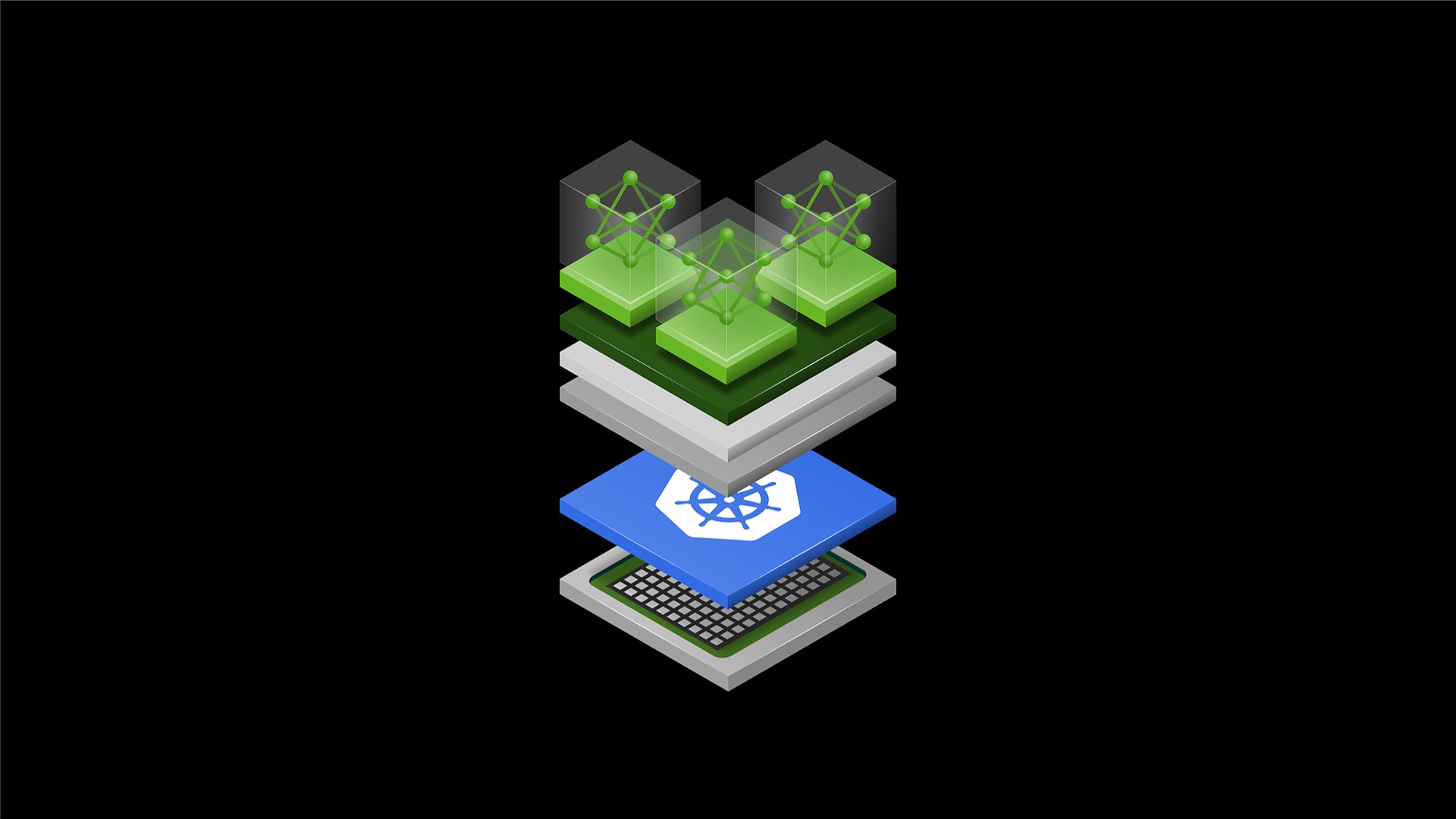
In terms of enterprise implementation, ALTOS LAB recommends a modular architectural approach to Earth-2 deployment. Rather than relying on rigid, monolithic cloud services, enterprises should implement a containerized workflow that separates the compute layer from the data management layer, ensuring long-term operational elasticity.
Weekly Decision Audit
Technology executives should conduct an immediate assessment to optimize their current forecasting infrastructure:
- Assess internal bandwidth capabilities for managing decentralized, high-fidelity geophysical data.
- Evaluate the current financial impact of forecast inaccuracy on operational KPIs.
- Determine the engineering readiness required for internal model parameter tuning.
- Identify modular gaps within existing IT stacks to ensure seamless Earth-2 integration.
Strategic Investment Outlook
Treating weather prediction as a core internal asset is now the definitive path forward. By leveraging the open architecture of Earth-2, organizations can pivot from being passive consumers of third-party weather data to becoming active managers of their own climate forecasting destiny.
Sources
- NVIDIA Launches Earth-2 Family of Open Models — the World’s First Fully Open, Accelerated Set of Models and Tools for AI Weather
NVIDIA 宣布 Earth-2 作為開放模型系列,針對氣象與工業場景給出可自建路徑。
- NVIDIA and Thinking Machines Lab Announce Long-Term Gigawatt-Scale Strategic Partnership
戰略合作指向更大規模訓練與可客製模型,影響地理分散與長期合作的可行性。
FAQ
FAQ
What should teams review first?
Review compute ownership, source constraints, workflow rollback and who approves production use.
Why does this matter now?
Open models and larger partnerships are changing where enterprise AI teams depend on suppliers.

Tommy
ALTOS LAB product and AI implementation editor, focused on enterprise workflows, generative search and practical decision frameworks.