Brieftechnology / NVIDIA / AI / Market News3 min read
NVIDIA's AI Cloud Push Means One Thing: Split the Compute Budget
NVIDIA is expanding its AI cloud ecosystem while shipping open accelerated models like Earth-2. For enterprise teams, the practical question is not which model is newest, but which workloads need elastic cloud, fixed capacity, or private control.
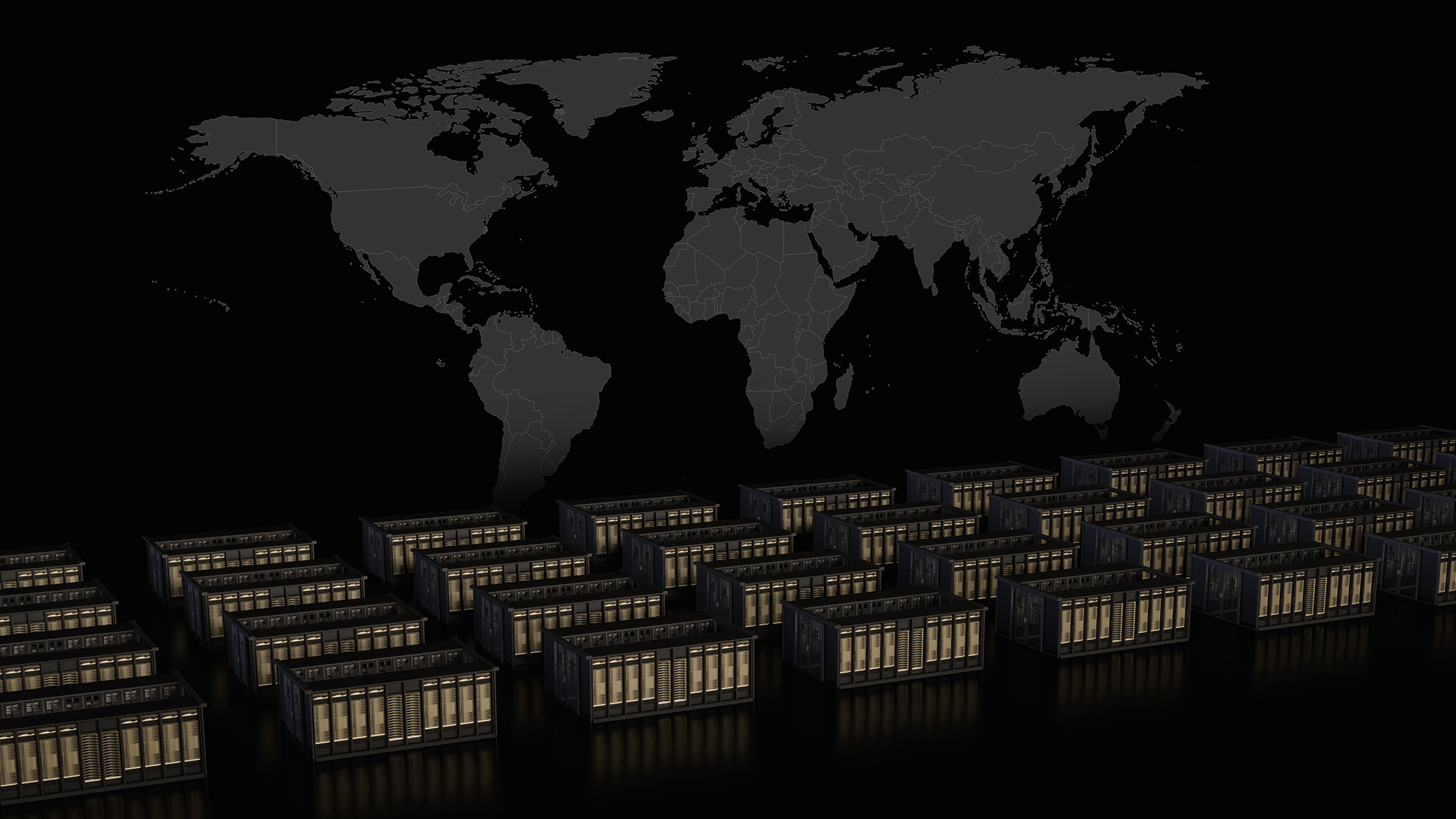
Cover image: Source image: NVIDIA · source-attributed official announcement image
Key Takeaways
- NVIDIA is scaling its global AI Cloud Ecosystem and advancing Earth-2 open models and tools.
- Diversified compute supply chains and open-model productization allow a rebalancing of cloud versus private deployment.
- Split the workload before buying the compute.
What happened
Budget the capacity before chasing the model.
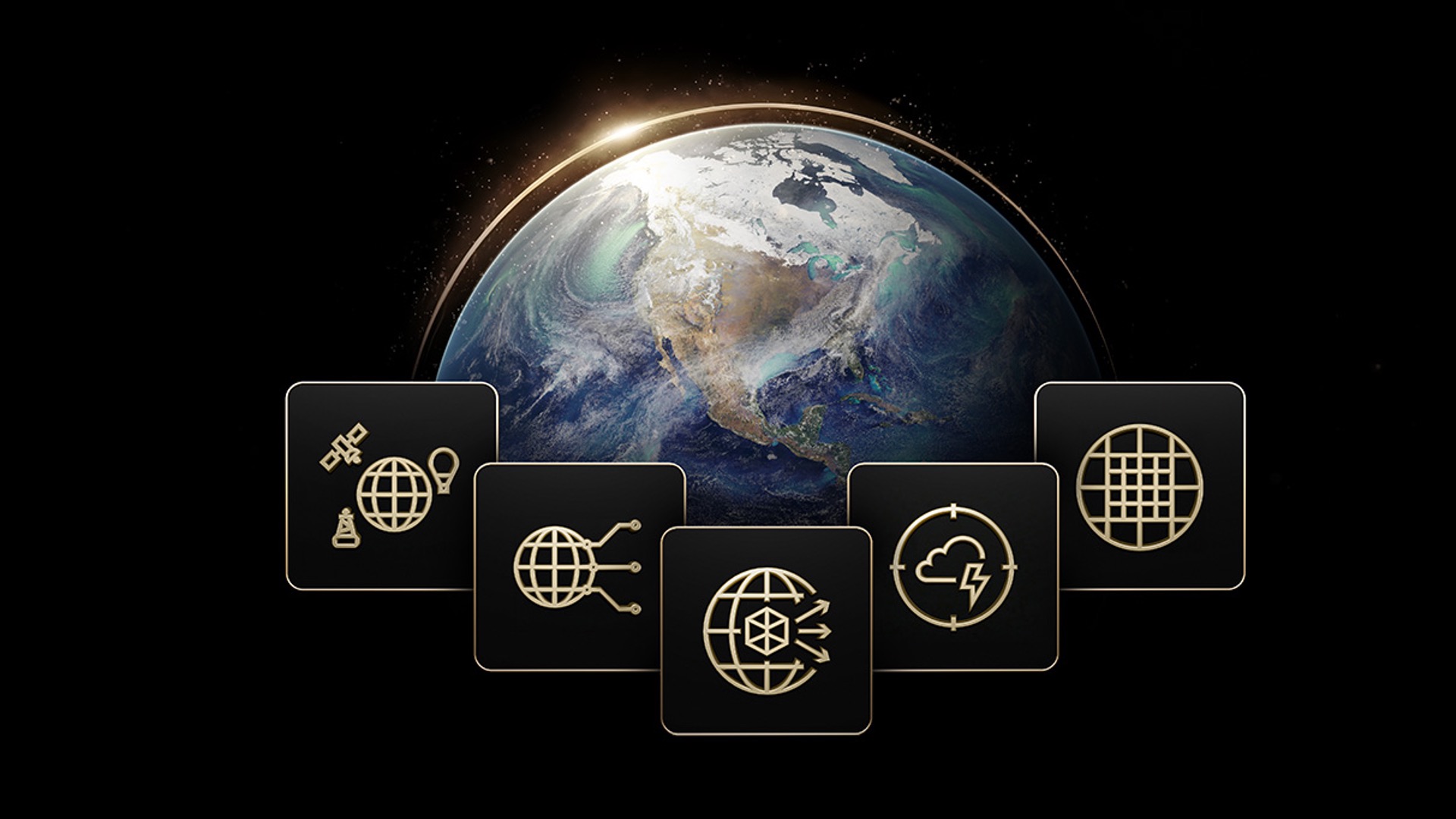
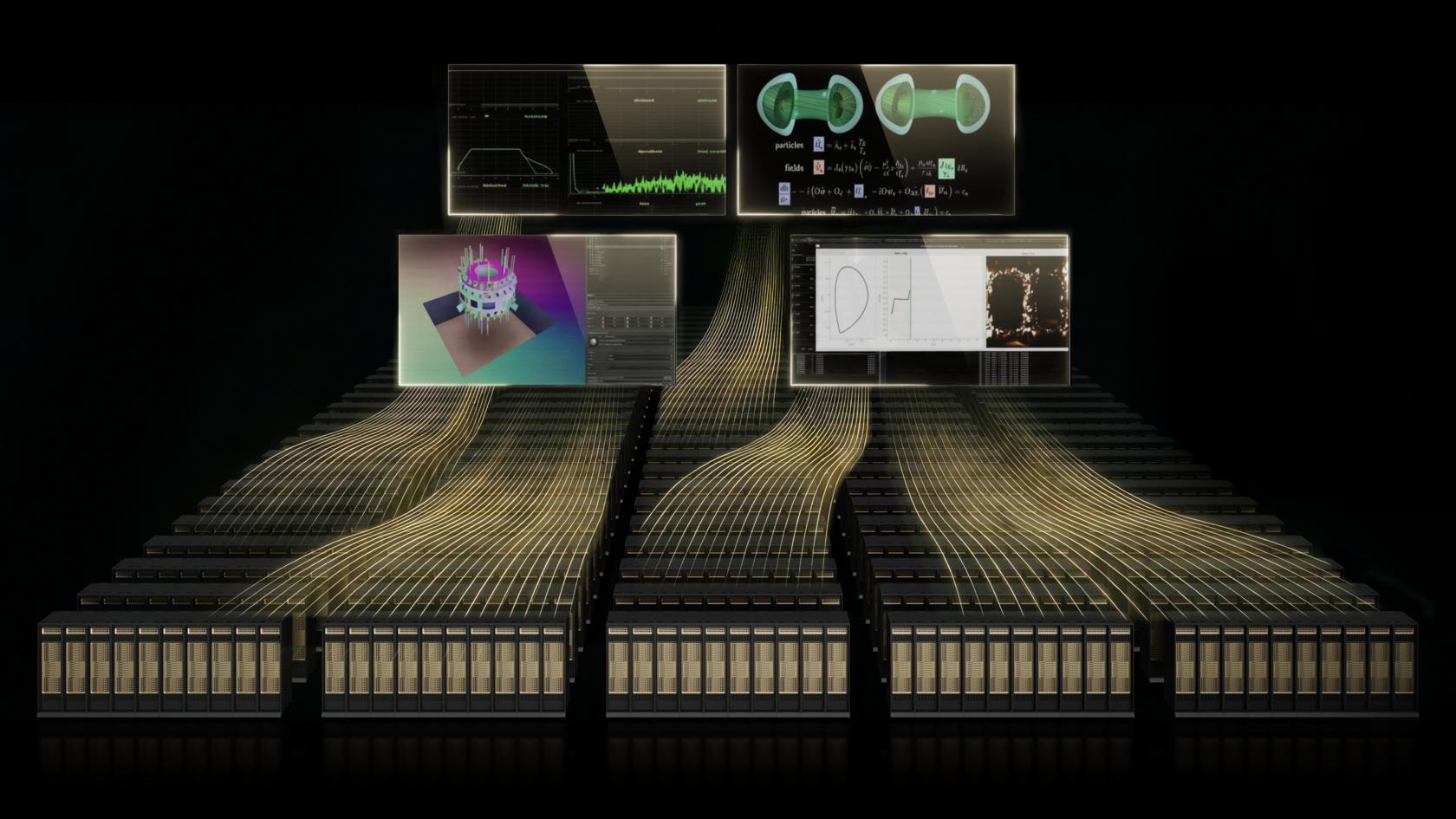
According to official announcements from NVIDIA, its worldwide AI Cloud Ecosystem is undergoing a massive expansion to meet the soaring global demand for AI compute infrastructure. This follows the earlier launch of the Earth-2 family of open models, marked as the world's first fully open, accelerated set of models and tools designed for AI weather. Together, these milestones signal a significant diversification of global compute supply chains and the practical productization of open models that enterprises can independently build and fine-tune.
Why it matters
An expanding compute ecosystem implies that future pricing structures and capacity availability will be re-evaluated. For short-cycle projects, enterprises must reserve budgetary flexibility early on, or risk project failure when computing costs spike unexpectedly near critical milestones. The ALTOS LAB editorial team emphasizes a fundamental rule for current procurement: assess cost accountability first, then model capability. Organizations should avoid migrating all workloads blindly to the public cloud. Instead, structure a layered budget strategy. Projects involving highly tailored, long-term modifications or sensitive organizational assets may benefit significantly from on-premises or private setup using open tools. Temporary or highly variable workloads, meanwhile, should utilize the newly expanded global cloud footprint to mitigate single-provider risk.
What to watch
Enterprises must closely monitor the geographic distribution and pricing variations among expanded cloud providers. When mapping out IT budgets for the remainder of 2026, it is essential to proactively redefine capacity and risk boundaries. Technical teams should audit current project structures to determine which workloads can transition to accelerated open-source model frameworks to curb recurring licensing fees, transforming external supply chain signals into an actionable, resilient budgetary roadmap.
What ALTOS LAB would check first
This is not just a capacity headline. ALTOS LAB reads it as an implementation question: which AI projects are still experiments, which ones have become daily workflows, and which ones touch data or model behavior that should stay under tighter control.
Split the workload before buying the compute. Put simply, compute is the server power that runs training, inference, simulations, and AI agents. If every workload is treated the same, teams either overspend on tests or under-protect the workflows that already matter.
Use a three-bucket rule this week: elastic cloud for experiments, negotiated capacity for stable production work, and private or open-model paths for sensitive or deeply customized systems.
Sources
- NVIDIA AI Cloud Ecosystem Expands Worldwide to Meet Global AI Compute Demand
宣佈全球 AI 雲端生態擴展,指向成本與供應可分散策略。
- NVIDIA Launches Earth-2 Family of Open Models — the World’s First Fully Open, Accelerated Set of Models and Tools for AI Weather
開源模型產品化訊號,提供可自建、可微調的產線選項,對計畫採購有明顯價值。
FAQ
FAQ
Does this matter if we are not building weather models?
Yes. Earth-2 is weather-specific, but the broader signal is that open accelerated model toolchains are becoming production-ready. That matters for any team deciding what should stay on cloud APIs and what may deserve a private workflow.
How does NVIDIA's cloud ecosystem expansion affect current enterprise project budgets?
It indicates a shifting landscape in compute capacity and pricing. Enterprises need to establish flexible budget boundaries early to avoid breaking financial projections when computing demands scale up.
What is the strategic value of open model families like Earth-2 for corporate procurement?
It proves that fully open, accelerated model toolkits are mature enough for production. Businesses can now consider building and maintaining specialized internal pipelines for long-term projects instead of relying solely on cloud subscriptions.

Tommy
ALTOS LAB product and AI implementation editor, focused on enterprise workflows, generative search and practical decision frameworks.