Brief市場快訊 / AI / Kubernetes3 min read
Beyond the Conference: What GPU Scheduling Automation Means for AI Teams
Managing GPU resources has long been a black box. By open-sourcing critical scheduling technology, NVIDIA is enabling AI teams to stabilize costs, reduce waste, and maximize cluster efficiency.
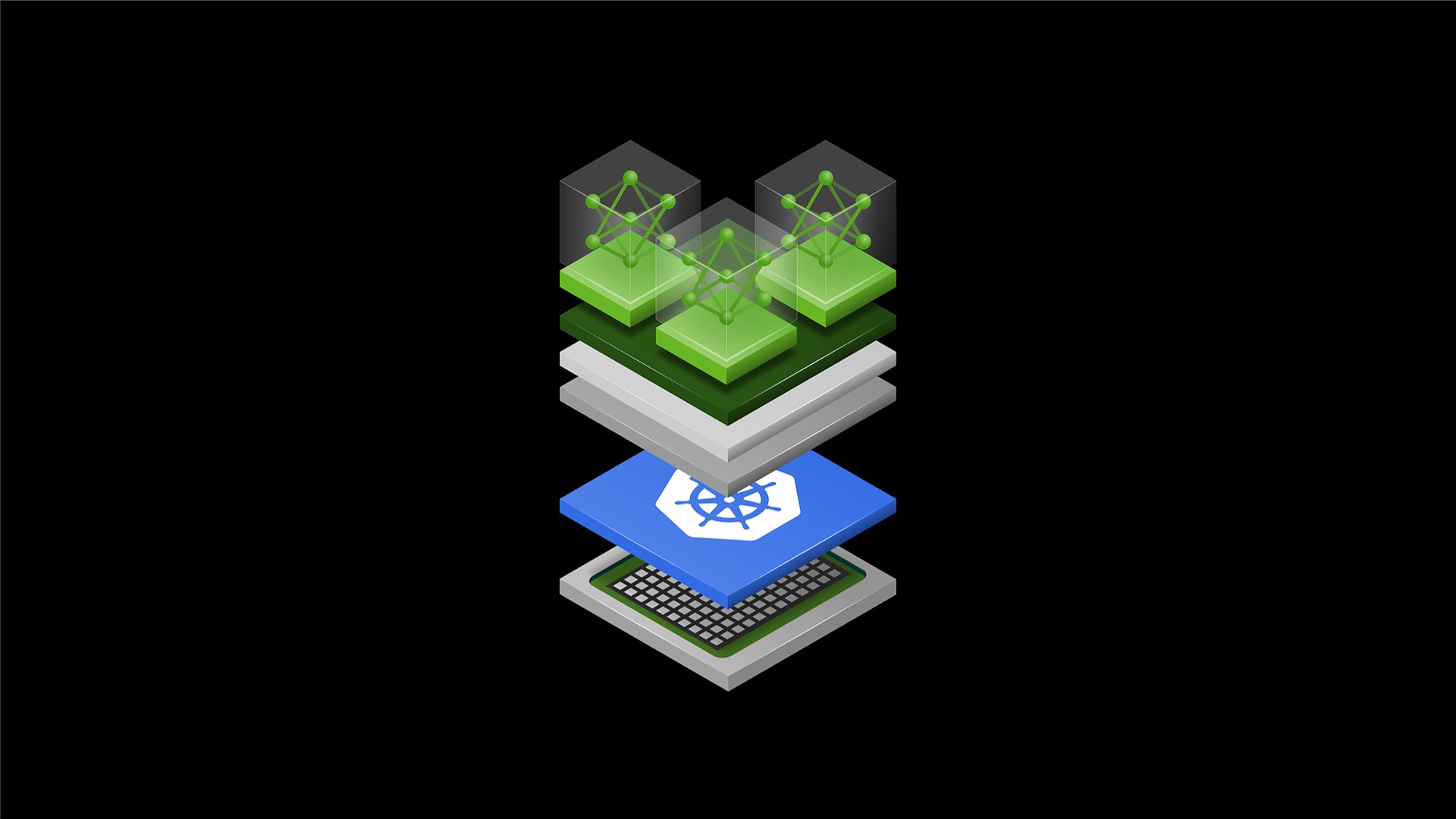
Cover image: Source image: NVIDIA · source-attributed official announcement image
Key Takeaways
- Open-source GPU scheduling allows for granular, flexible allocation of high-cost compute assets.
- Dynamic scheduling reduces hidden infrastructure costs by eliminating idle resource waste.
- Standardizing AI scheduling on Kubernetes creates a predictable, manageable engineering performance baseline.
For many AI development teams, the pain of inefficient GPU resource allocation is a constant hurdle. NVIDIA's move at KubeCon to donate its dynamic GPU resource allocation driver to the Kubernetes community is more than a technical milestone; it is a critical win for operational cost control.
From Black Box to Transparent Scheduling
In the past, scheduling GPUs on Kubernetes was often a static, clumsy process, resulting in clusters where resources were 'reserved' but idle. By making GPU scheduling transparent and open-source, NVIDIA is allowing teams to dynamically allocate power based on the actual requirements of the development workload. This translates directly into shorter development cycles and a tighter, more effective compute budget.
Practical Application: Real-World Workloads
The impact of this open-source technology is best seen in real-world application. Consider the high-intensity load of OpenAI's GPT-5.5 powering Codex; such tasks demand highly responsive resource scheduling. With standardized, open-source scheduling, development environments can automatically balance heavy fine-tuning and code generation tasks without manual oversight. For enterprise leaders, this is the shift from 'AI ops as a money pit' to 'AI ops as a disciplined engineering practice.'
Sources
- Advancing Open Source AI, NVIDIA Donates Dynamic Resource Allocation Driver for GPUs to Kubernetes Community
NVIDIA 將關鍵 GPU 資源排程技術開源到 Kubernetes,關注運維效率與資源可視化。
- OpenAI’s New GPT-5.5 Powers Codex on NVIDIA Infrastructure — and NVIDIA Is Already Putting It to Work
補齊前述排程能力在真實開發工作負載中的應用脈絡。
FAQ
FAQ
How does open-source GPU scheduling impact enterprise AI costs?
It solves resource over-provisioning. By allowing dynamic allocation rather than static reservation, AI teams can run more experiments on the same infrastructure, effectively lowering the cost-per-experiment.

Tommy
ALTOS LAB product and AI implementation editor, focused on enterprise workflows, generative search and practical decision frameworks.