Gemini’s Multimodal Leap: Why Data Governance is Now the Real Bottleneck
Google's Gemini 3 Deep Think and Embedding 2 launch a new era of reasoning. For enterprises, this means the quality of structured data matters more than ever.
Categories
Google's Gemini 3 Deep Think and Embedding 2 launch a new era of reasoning. For enterprises, this means the quality of structured data matters more than ever.
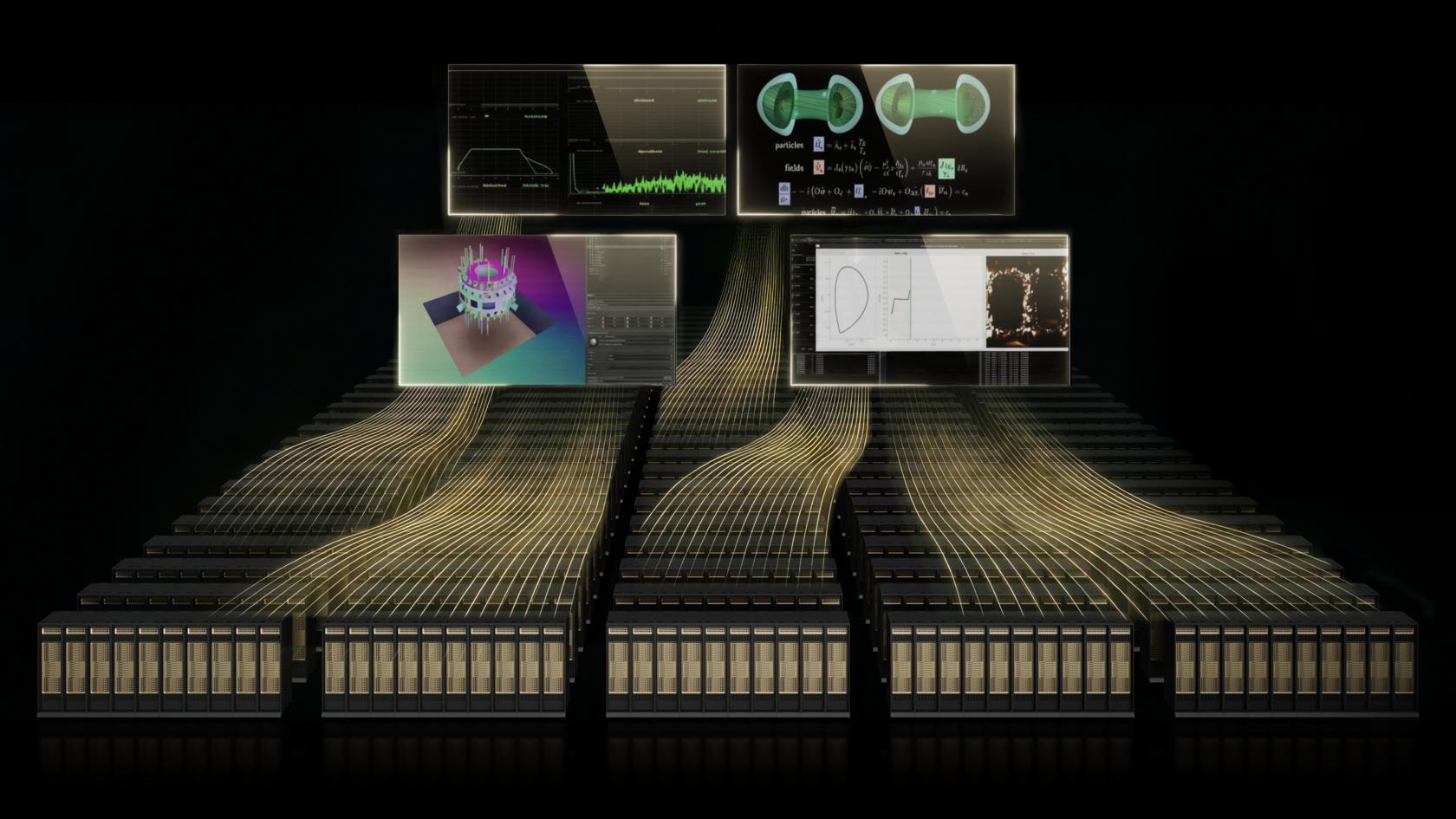
AI is no longer about one-off innovations. NVIDIA’s AI Factories model emphasizes consistent capacity. To succeed, enterprises must align their operational rhythm with this industrial standard.

Data preparation is the hidden bottleneck for AI ROI. By integrating Osmos-driven pipelines into Fabric alongside Maia 200 accelerators, Microsoft is enabling shift from PoCs to reliable production.
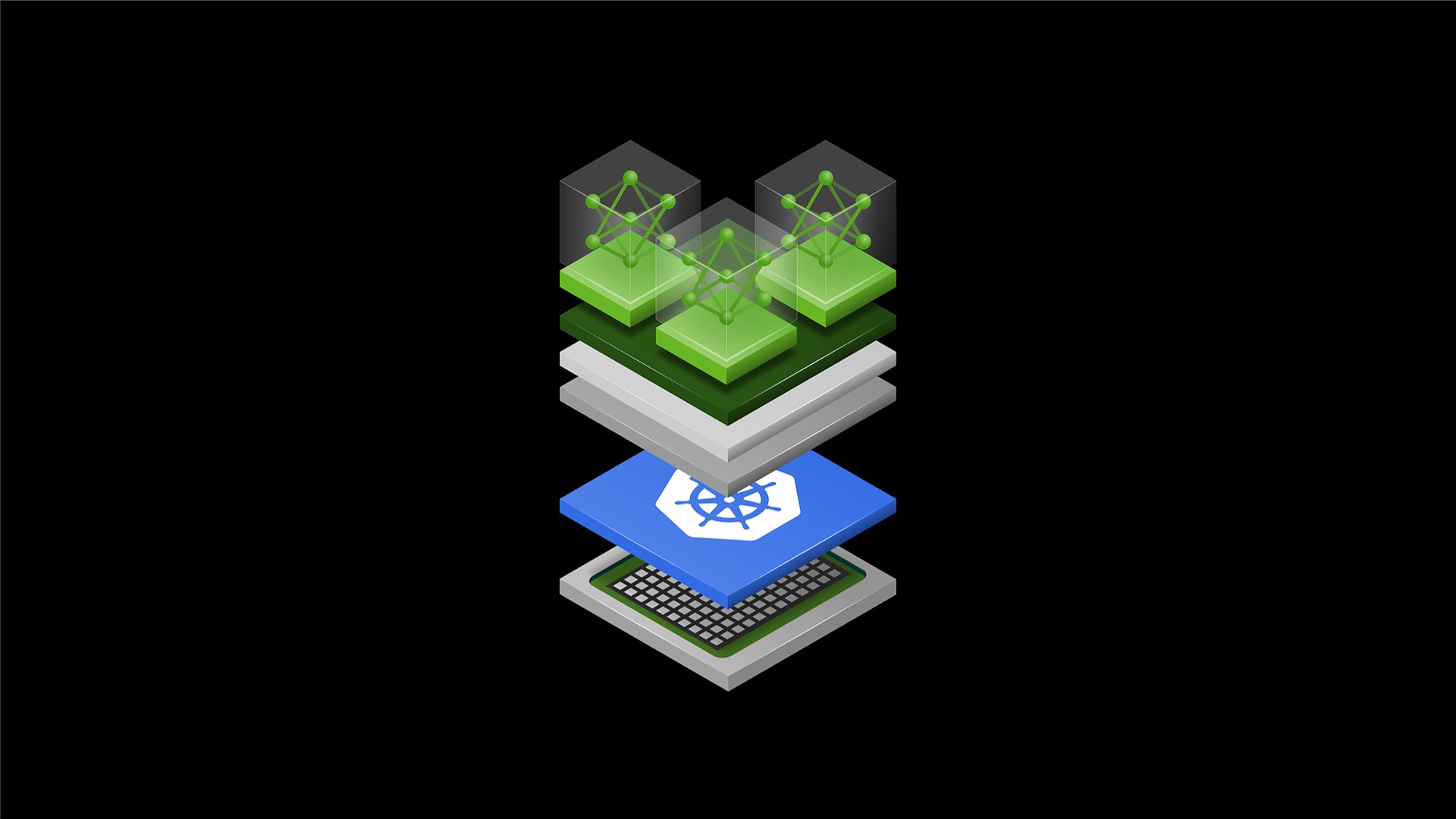
Managing GPU resources has long been a black box. By open-sourcing critical scheduling technology, NVIDIA is enabling AI teams to stabilize costs, reduce waste, and maximize cluster efficiency.

With Maia 200, Microsoft aims to make high-frequency AI tasks economically viable. Combined with Sovereign Cloud capabilities, it marks the shift to production-grade AI.

Microsoft research indicates that the key to AI transformation isn't just better models—it's rebuilding the operating model to enable 'auditable human-AI collaboration.'

Microsoft’s integration of Sovereign Cloud and the 'Intelligence + Trust' framework signals that AI governance is no longer an add-on; it is a fundamental architectural requirement.

Microsoft and OpenAI have reaffirmed their long-term commitment, shifting focus to supply chain integration and stability. For enterprises, AI is moving from experimentation to operational core.

Google's recent moves reveal that enterprise AI success is no longer defined by model benchmarks, but by the strength of your security and supply chain integration.
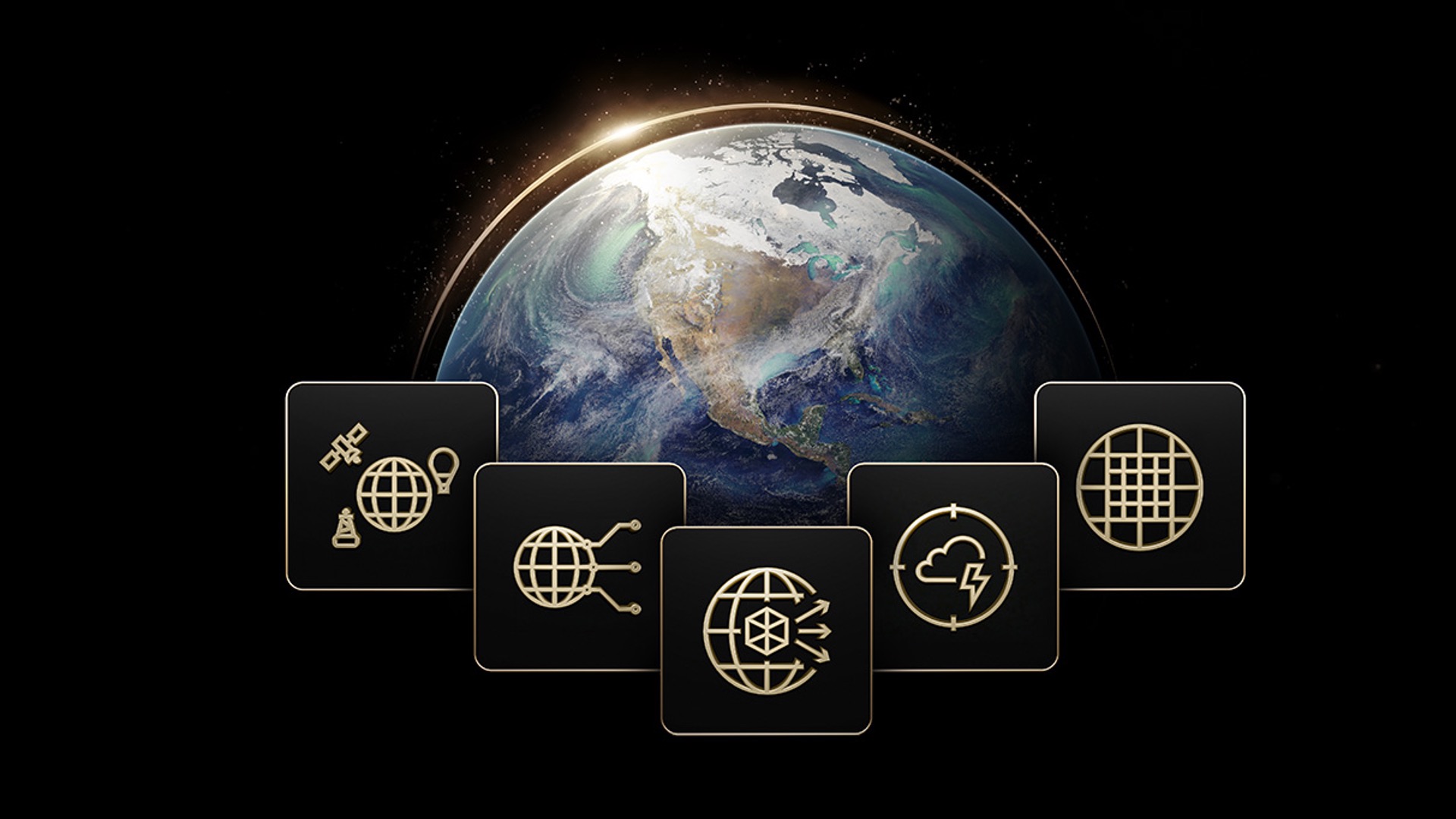
NVIDIA Earth-2 and the Thinking Machines Lab partnership move weather AI from vendor dependence toward compute-control decisions that enterprise teams must review now.
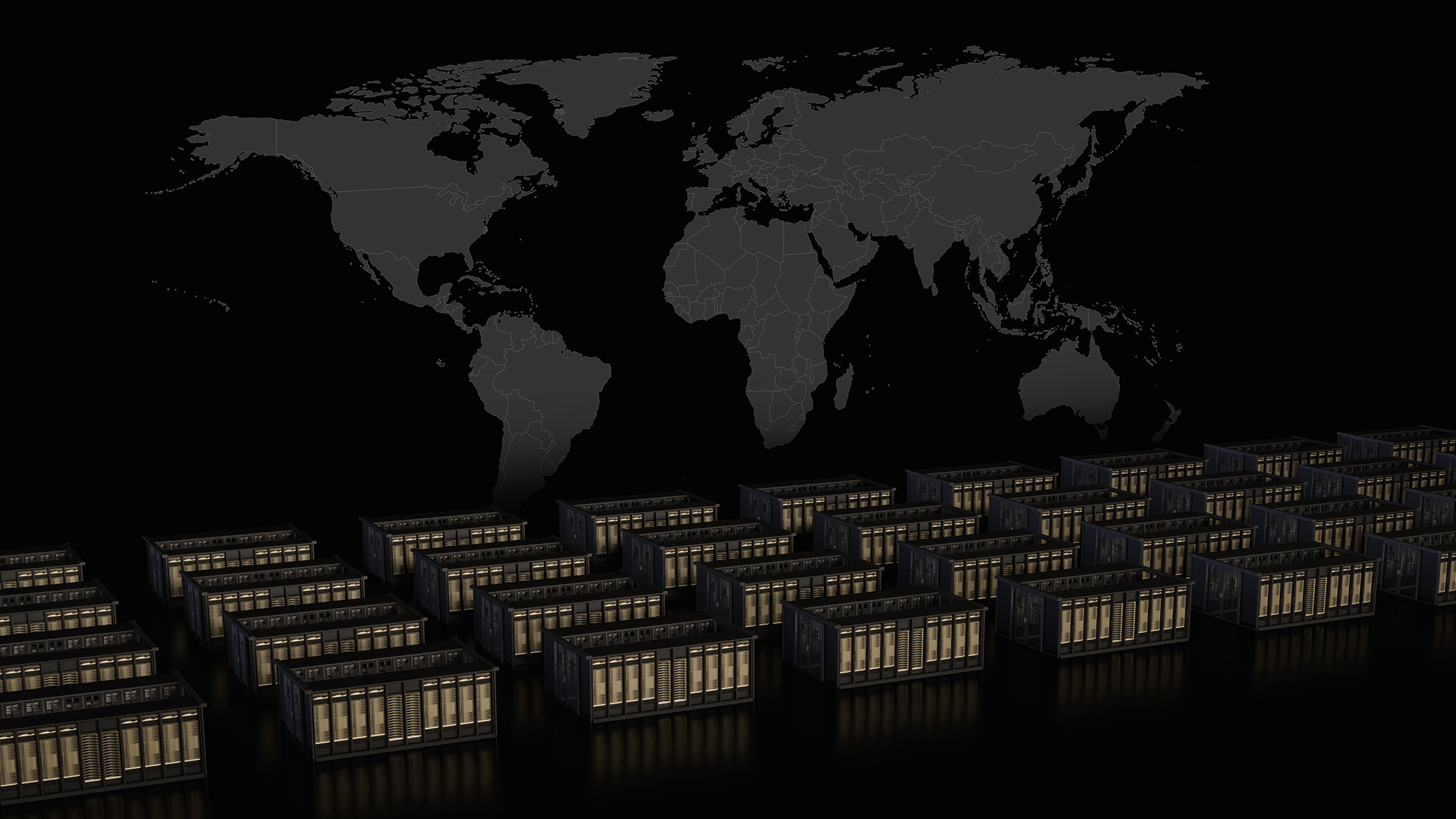
NVIDIA is expanding its AI cloud ecosystem while shipping open accelerated models like Earth-2. For enterprise teams, the practical question is not which model is newest, but which workloads need elastic cloud, fixed capacity, or private control.
Google put more than 100 I/O updates on the table at once. ALTOS LAB reads them through product, workflow and automation readiness: what can be tested now, what needs governance, and what should wait for rollback controls.

Do not hand the first AI-agent pilot to the messiest workflow. Industry signals point to the same rule: start where operation logs and rollback are possible.
OpenAI’s Codex tax-agent case, Anthropic’s user research and IBM’s agent framing all point to one operating decision: start with a workflow where sources, review and repair can be seen.

Microsoft put ASSERT, the Agent Control Specification, and Agent 365 on the same track. The message for teams is simple: do not just swap models; make every agent action testable, traceable, reviewable, and reversible.
Anthropic said on June 2, 2026 that Project Glasswing will add about 150 organizations across 15+ countries. ALTOS LAB reads the announcement as a workflow signal: AI can find more flaws, but companies still need a way to verify, disclose and patch them.