BriefAI Mobility / AI / autonomous vehicles / robotaxi3 min read
NVIDIA’s 32B robotaxi model is really a test of closed-loop AI operations
NVIDIA’s Alpamayo 2 Super announcement is less about a larger model and more about a full validation pipeline for AI systems that act in the physical world.
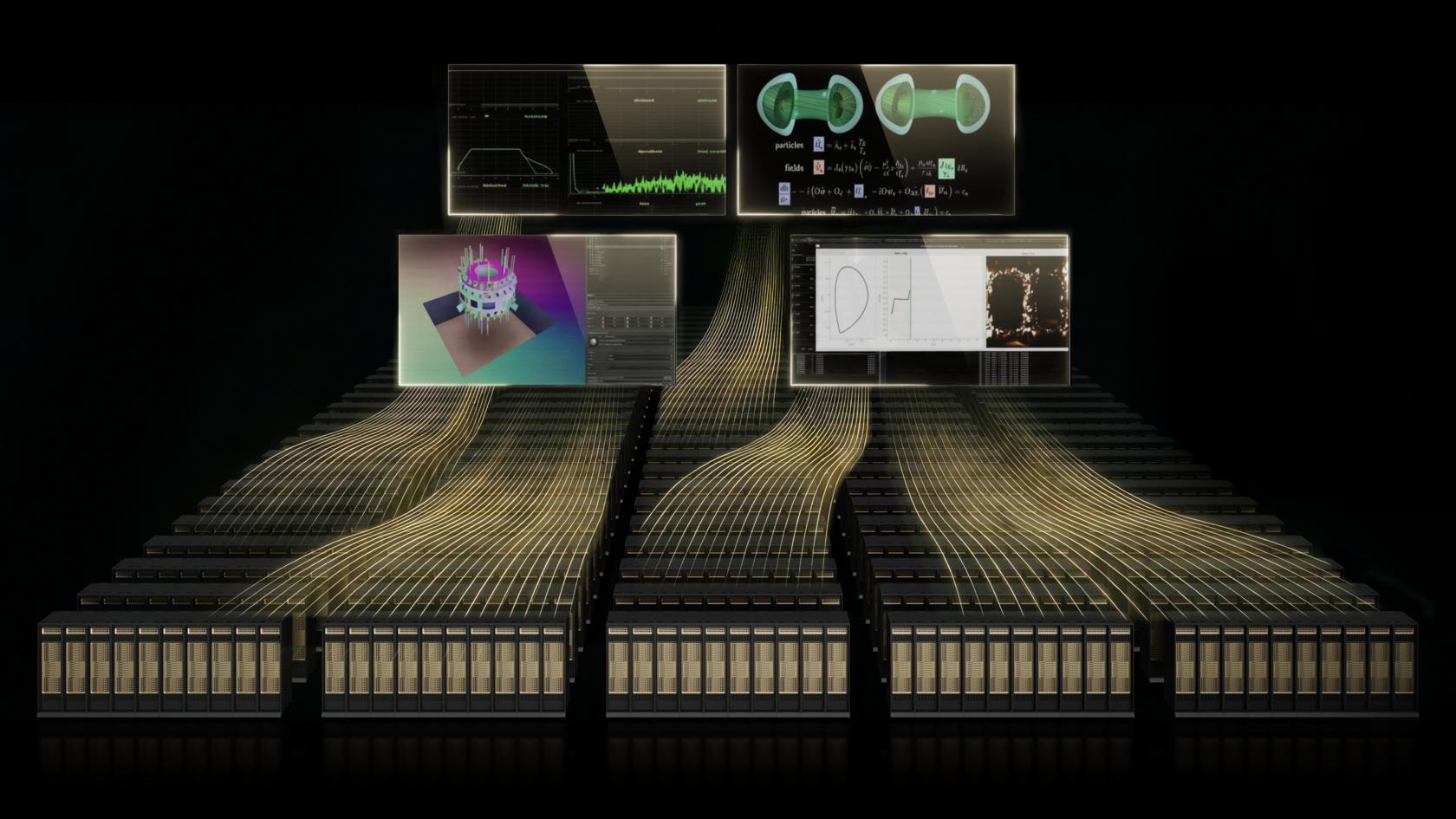
Cover image: Source image: NVIDIA / GlobeNewswire · source-attributed
Key Takeaways
- NVIDIA announced Alpamayo 2 Super, a 32B open reasoning VLA model for level 4 robotaxi development.
- AlpaGym, OmniDreams and NuRec show NVIDIA pushing autonomous AI toward closed-loop simulation and validation.
- ALTOS LAB reads the announcement as a reminder to design verification and recovery before expanding high-risk AI automation.
NVIDIA used GTC Taipei to introduce Alpamayo 2 Super, a 32B open reasoning model for autonomous driving. The headline is not simply that the model is larger. The important shift is that robotaxi development is becoming a single product line across perception, reasoning, simulation, training and deployment.
What changed: autonomous driving moves into closed-loop training
According to NVIDIA, Alpamayo 2 Super is a 32B vision-language-action model designed for level 4 robotaxi development. It is positioned as a teacher model that can reason, plan and act across the driving stack, then be distilled into smaller models for in-vehicle deployment.
The same release introduced AlpaGym, OmniDreams and new Omniverse NuRec capabilities. AlpaGym trains driving models in closed-loop reinforcement learning, where braking, steering and navigation decisions affect the simulated environment. OmniDreams generates rare and long-tail driving scenarios. NuRec reconstructs real fleet data into photorealistic 3D scenes.
The market signal: validation becomes the moat
Jensen Huang described Alpamayo as the moment cars begin to safely reason, not just drive. For operators, the practical translation is clear: when AI starts making physical-world decisions, teams must verify why it acted, what it saw, what scenario it was tested against and how the system recovers when it is wrong.
The next barrier for autonomous AI is not a single demo; it is repeatable closed-loop validation.
What teams should check now
Most companies are not building robotaxis. But the lesson applies to any high-stakes AI workflow. If an AI agent can take action, simulation and review can no longer be an afterthought. Teams need replayable scenarios, clear human handoff points, readable decision traces and a way to turn failures into better test cases.
This week, ask four questions: which AI decisions create real-world consequences; which edge cases are still imagined rather than tested; which failures can be replayed; and which outputs must be understood by a human before deployment. Those questions matter before the model-selection debate begins.
Sources
- NVIDIA Launches Alpamayo 2 Super Open Reasoning Model for Robotaxis
NVIDIA introduced Alpamayo 2 Super, a 32B open reasoning VLA model for level 4 robotaxi development, alongside AlpaGym, OmniDreams and Omniverse NuRec agent skills.
- How to Post-Train Autonomous Vehicle Models in Closed-Loop with NVIDIA Alpamayo
NVIDIA explains closed-loop reinforcement learning with AlpaGym and Alpamayo recipes, showing how AV models can be trained against the consequences of their driving decisions.
- NVIDIA Alpamayo: Open AI for Robotaxis and Autonomous Vehicles
NVIDIA positions Alpamayo as an open portfolio of models, simulation frameworks and datasets for robotaxi and autonomous vehicle development.
FAQ
FAQ
What is Alpamayo 2 Super?
It is NVIDIA’s 32B open reasoning vision-language-action model for autonomous vehicle and level 4 robotaxi development.
Why should non-automotive teams care?
Because the same operating question applies to any AI system that acts: how do you simulate consequences, review decisions and recover from failure?

Ken
ALTOS LAB research and engineering editor, focused on AI agents, data workflows, review systems and productization risk.